


 Search
No data
残す (のこす) — to leave (behind)
残す
 のこす
のこす 

の こ す
JLPTN3
 Godan verb with 'su' ending, Transitive verb
  Full
Full 
To leave (behind)
私
watashi
は
ha
一
hito
つの
tsuno
袋
fukuro
は
ha
運
hako
んできたが
ndekitaga
、
,
もう
mou
一
hito
つのほうは
tsunohouha
後
ato
へ
he
残
noko
してきた
shitekita
。
.
I carried one bag, but the other one was left behind.
To leave (undone); to not finish
論文
ronbun
は
ha
結論
ketsuron
を
wo
残
noko
し
shi
、
,
あとは
atoha
仕上
shia
がっている
gatteiru
。
.
The thesis is finished except for the conclusion.
To save; to set aside; to reserve
私達
watashitachi
は
ha
彼
kare
に
ni
少
suko
し
shi
ケーキ
keeki
を
wo
残
noko
してあげた
shiteageta
。
.
We left him some cake.
To leave (to someone, esp. after one's death); to bequeath
これは
koreha
父
chichi
が
ga
私
watashi
に
ni
残
noko
してくれたものが
shitekuretamonoga
一
hito
つある
tsuaru
。
.
This is one thing my father left to me.
To stay (in the ring); to hold on
Image search
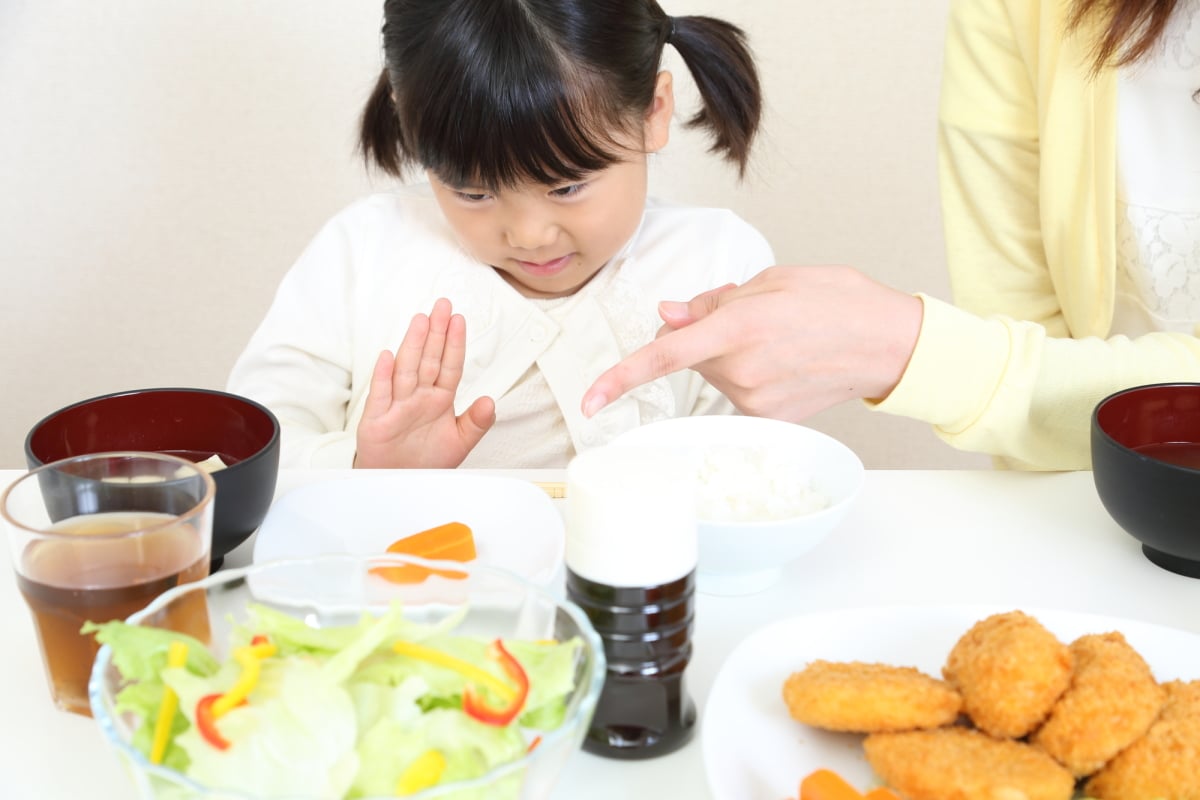
Verb conjugation table 残す
| Form name (形) | Word |
|---|---|
| Dictionary (辞書) | 残す/のこす |
| Past (た) | 残した |
| Negation (未然) | 残さない |
| Polite (丁寧) | 残します |
| te (て) | 残して |
| Ability (可能) | 残せる |
| Passive (受身) | 残される |
| Command (使役) | 残させる |
| Passive command (使役受身) | 残させられる |
| Conditions (条件) | 残せば |
| Command (命令) | 残せ |
| Will (意向) | 残そう |
| Prohibition (禁止) | 残すな |

残す is used in practice


 Mazii MobileAvailable on iOS and Android
 Scan QR to download the app

About Mazii
Main features


